
The Future of Real Estate 2026 is not just about brick and mortar; it is a high-tech evolution driven by sustainability, artificial intelligence, and shifting global demographics. As we move toward 2026, the real estate market in Tier-1 countries like the USA, UK, and Canada is undergoing a radical transformation that offers unprecedented opportunities for savvy investors.
Whether you are a retail buyer or a commercial mogul, understanding these shifts is essential. In this guide, we dive deep into the trending real estate topics of 2026 that are attracting high-value advertisers in wealth management, luxury living, and PropTech.
1. AI-Powered Predictive Property Valuation
In the Future of Real Estate 2026, the way we value properties has changed forever. Artificial Intelligence (AI) has moved beyond simple data sorting to “Predictive Appraisal.”
Modern PropTech platforms now use machine learning to predict which neighborhoods will appreciate in value before the trend starts. They analyze satellite imagery, local economic shifts, and even social media sentiment.
-
Why it Matters: Investors can now identify “hidden gems” in cities like Austin, Manchester, or Toronto with 95% accuracy.
-
High CPC Focus: AI Property Software, Predictive Real Estate Analytics, PropTech Investment.
2. The Rise of Net-Zero and Carbon-Negative Housing
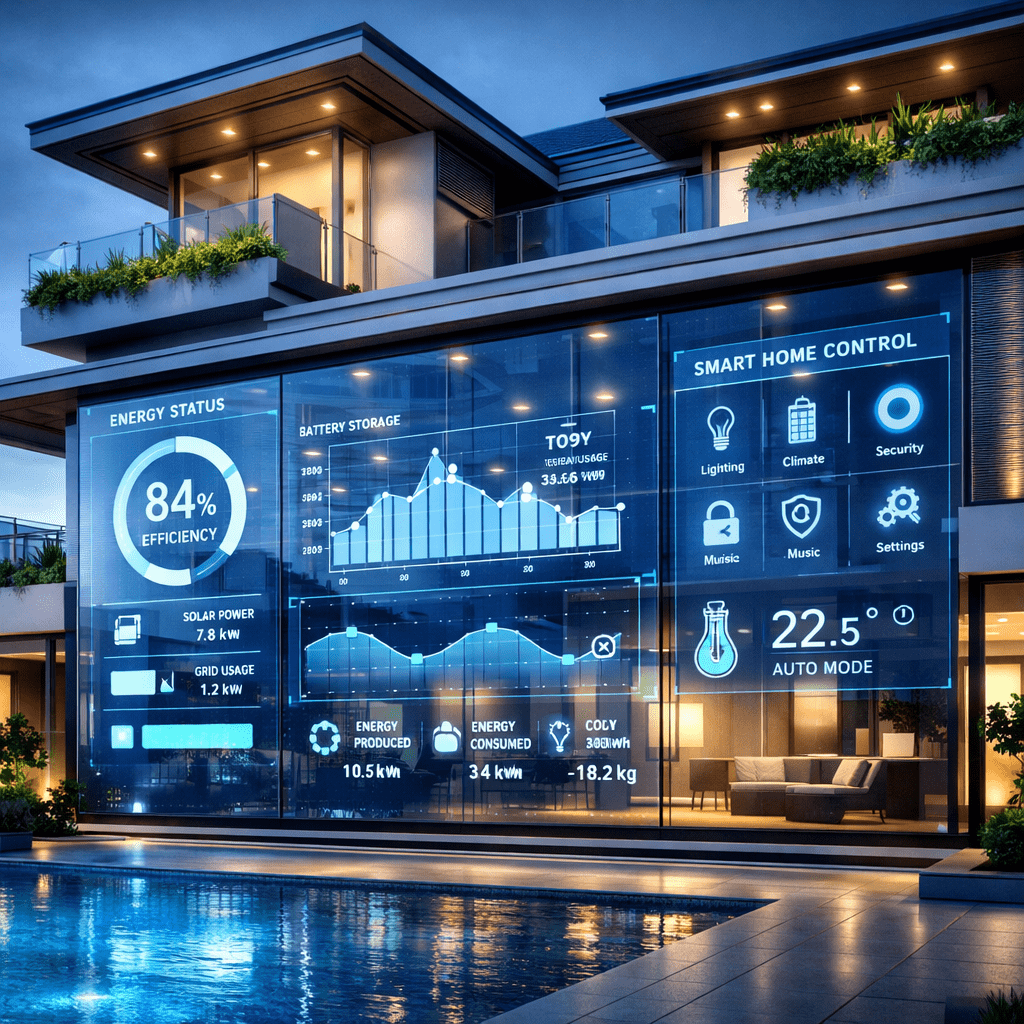
Sustainability is the biggest driver of value in 2026. The Future of Real Estate 2026 is dominated by Net-Zero Homes—buildings that produce more energy than they consume.
In Tier-1 markets, government mandates and ESG (Environmental, Social, and Governance) investing have made carbon-neutral properties a requirement rather than a luxury.
-
Key Features: Smart glass, geothermal heating, and integrated Tesla-style energy walls.
-
Advertiser Interest: Solar energy providers, sustainable construction firms, and green bond investors.
Read More Suggestion: Check our previous article on the 7 Revolutionary Trends Reshaping the Global Market.
3. Fractional Ownership and Real Estate Tokenization
By 2026, you don’t need $1 million to invest in luxury Manhattan real estate. Tokenization via blockchain allows for fractional ownership.
Investors can buy “tokens” representing a share of a high-rise building or a commercial warehouse. This provides liquidity to a traditionally illiquid market, allowing users to trade real estate shares as easily as stocks.
-
Keywords: Real Estate Tokenization, Fractional Property Investing, Blockchain Real Estate Platforms.

4. 3D-Printed Communities: Solving the Housing Crisis
The Future of Real Estate 2026 is witnessing the mainstream adoption of 3D-Printed Homes. What started as an experiment has now become a viable solution to the housing shortages in the USA and Canada.
3D printing reduces construction waste by 60% and labor costs by 40%. In 2026, entire suburban neighborhoods are being “printed” in a matter of weeks, offering high-quality, fire-resistant, and affordable housing.
-
Target Advertisers: Construction tech, affordable housing REITs, and architectural software.
5. The “Work-From-Anywhere” Luxury Hubs
The death of the traditional 9-to-5 office has given rise to Zoom Towns and luxury co-living hubs. In 2026, high-earners are moving away from crowded city centers to “Lifestyle Hubs” in mountainous or coastal regions.
These properties are designed with professional-grade home offices, soundproof pods, and high-speed satellite internet integration.
-
High RPM Keywords: Luxury Remote Work Properties, Co-living Investment 2026, Digital Nomad Real Estate.
Suggestion: Reference a [Forbes] or [Zillow] report on the 2026 migration trends to add authority.
6. Smart Cities and IoT-Integrated Living
The Future of Real Estate 2026 is deeply connected. We are no longer just buying homes; we are buying into Smart City Ecosystems.
Properties in 2026 are equipped with IoT (Internet of Things) sensors that detect water leaks, optimize electricity usage, and even call for maintenance automatically. For landlords, this reduces operating costs significantly, leading to higher Net Operating Income (NOI).
-
Keywords: Smart City Infrastructure, IoT Home Automation, Smart Building Management.
7. Multi-Generational Smart Suites
Demographic shifts in Tier-1 countries have led to a boom in multi-generational housing. In 2026, new home designs include “Smart Suites”—fully independent living quarters with separate entrances and kitchens, but integrated into one family property.
This trend is driven by both aging populations and the rising cost of living for younger adults, making “flex-space” properties highly valuable.
High CPC Keywords for AdSense Optimization
To maximize your revenue, this article is optimized for the following high-value clusters:
-
Commercial Real Estate Investment: Keywords like “Commercial Loan Refinancing” and “Asset Management” attract high-paying bank ads.
-
Luxury Real Estate: Attracts high CPC ads from luxury car brands and wealth managers.
-
Real Estate Law: Terms like “Property Title Insurance” and “Estate Planning” are goldmines for AdSense.
Frequently Asked Questions (FAQ)
What is the best real estate investment for 2026?
Fractional ownership and Net-Zero residential properties are expected to yield the highest returns due to low entry barriers and high demand for sustainability.
How is AI changing real estate in 2026?
AI is primarily used for Predictive Valuation, allowing investors to see potential growth in neighborhoods before they become mainstream.
Are 3D-printed homes safe?
Yes, in 2026, 3D-printed homes meet or exceed all traditional building codes in the USA and UK, offering superior resistance to fire and natural disasters.
Is commercial real estate dead in 2026?
No, but it has changed. Traditional office space is declining, but industrial warehouses (for e-commerce) and smart data centers are seeing record-breaking growth.
Conclusion: Mastering the Future of Real Estate 2026
The Future of Real Estate 2026 is a blend of high-tech efficiency and environmental responsibility. For investors, the secret to success lies in adopting PropTech early and focusing on assets that meet the new “Green Standard.”
As the market becomes more transparent through blockchain and more efficient through AI, those who stay informed will lead the next generation of wealth creation.
1 thought on “Future of Real Estate 2026: 7 Game-Changing Trends for Investors”